Policy changes, but facts endure. AP delivers accurate, fact-based journalism to keep the world informed in every administration. Support independent reporting today. Donate.
By Amy Langfield
March 10, 2026
By Amy Langfield
March 10, 2026
Good afternoon and welcome to your afternoon news update from AP. Today, recent polls show Americans are divided along party lines on U.S. military action against Iran; the Wyoming governor signs a ban on abortions after about 6 weeks but said he has misgivings; and a major sewage spill in the Potomac River highlights the severe consequences of old, failing infrastructure.
UP FIRST
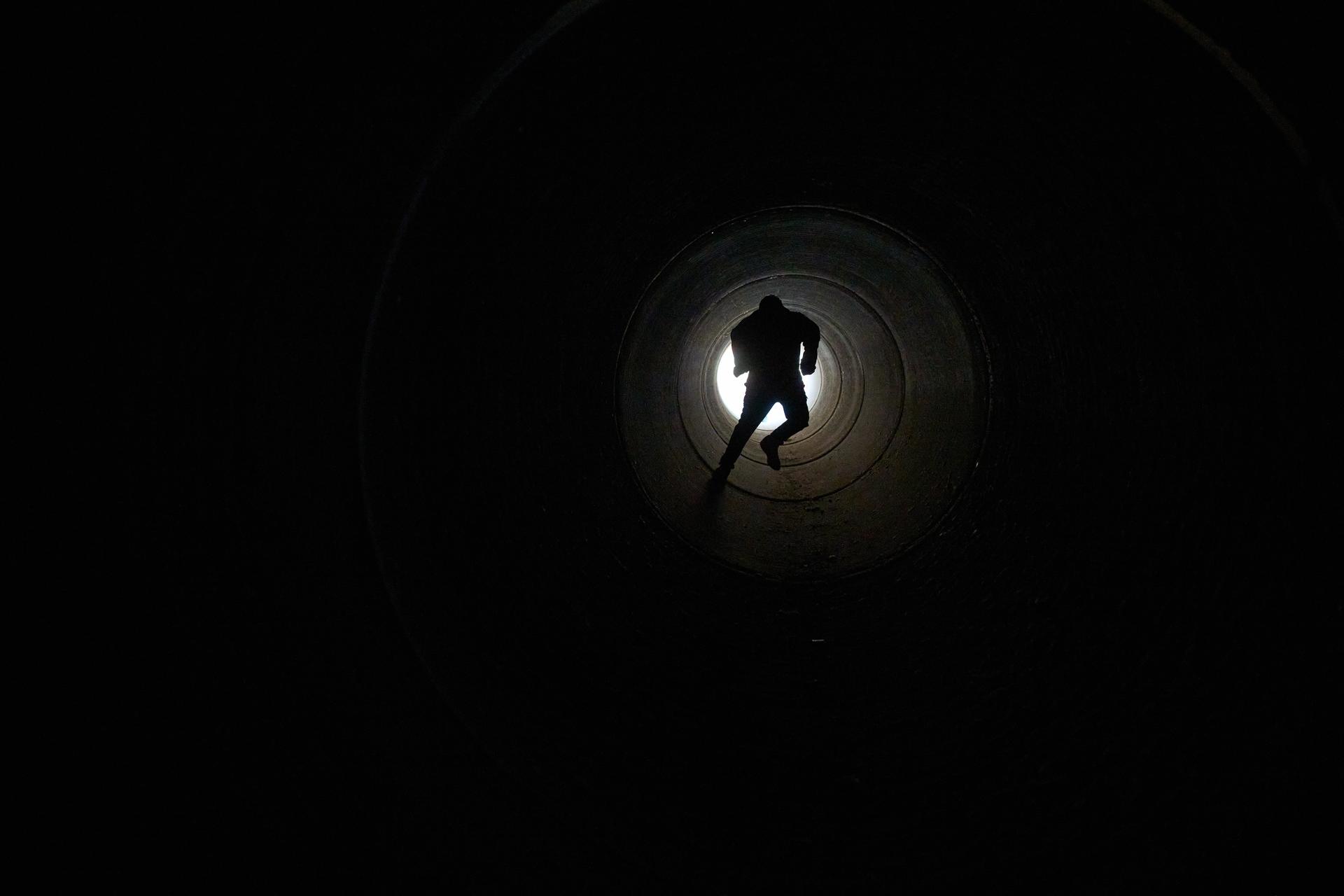
A boy runs inside a cement pipe turned into a bomb shelter as air raid sirens warn of incoming Iranian missile strike in Michmoret, Israel, on Tuesday. (AP Photo/Ariel Schalit)
What Americans think about the war in Iran, according to recent polls
Americans are divided along party lines on U.S. military action against Iran, according to polls conducted since the war began, with most polls showing opposition is higher than support. Polls suggest that many Americans are worried the military action is making the U.S. “less safe,” even as they see Iran as a threat to U.S. security. There are also warning signs for President Donald Trump as he confronts the possibility of a prolonged conflict that could come with significant economic turmoil. Read more.
Wyoming governor signs ban on abortions after about 6 weeks but cites misgivings
Wyoming Gov. Mark Gordon on Monday signed a ban on abortions after embryonic cardiac activity can be detected, generally at about six weeks’ gestation and often before women know they’re pregnant. The signing makes Wyoming the fifth state to bar abortions at that stage of pregnancy, along with Florida, Georgia, Iowa and South Carolina. Thirteen other states bar abortion at all stages of pregnancy, with some exceptions. Gordon, a Republican, said in a letter to lawmakers that he has some misgivings about the law he signed because it does not include exceptions for pregnancies caused by rape or incest. Read more.
Beyond the Potomac River, sewage spills threaten cities with old infrastructure and little funds
The January collapse of a pipe as wide as a car dumped so much sewage into the Potomac River that officials tracked a spike of gut-wrenching bacteria drifting slowly past Washington for weeks, prompting an emergency declaration and federal assistance. It was a disaster of historic scale — 244 million gallons spilled — spotlighting the severe consequences of old, failing infrastructure. But smaller sewer overflows that draw far less notice are common. Tens of thousands occur every year across the U.S., contaminating rivers, flooding streets and sometimes causing backups into homes that threaten human health. Read more.
A car rides past students sitting outside the University of Havana during a protest over an energy crisis that has disrupted classes in Havana, Cuba, Monday. (AP Photo/Ramon Espinosa)
Co-workers of different generations mentor each other to reduce workplace misunderstandings
With at least five generations participating in the U.S. workforce, co-workers can at times feel like they speak different languages. The ways people born decades apart approach tasks may create misunderstandings. But some workplaces are turning the natural divides between age groups into a competitive advantage through reverse mentoring programs that recognize the strengths each generation brings to work and uses them to build mutual skills and respect.
Please let us know what you think of this newsletter. You can sign up for more and invite a friend here. For news in real time visit APNews.com. - Amy
Please let us know what you think of this newsletter. You can sign up for more and invite a friend here. For news in real time visit APNews.com. - Amy


 RE:
RE: RE ALL:
 FWD:
FWD: